
Knee & Leg Sleeve, Post
Basketball Leg Compression – Boost Performance & Protect Your Legs
May
Basketball Leg Compression – Boost Performance & Protect Your Legs
In basketball, your legs are the engine behind every movement. Whether you are sprinting down the court, jumping for rebounds, or making quick directional changes, your lower body تحملs the majority of the physical load. Because of this constant demand, leg fatigue, muscle soreness, and injuries are common challenges for players at all levels. That’s where basketball leg compression gear becomes an essential part of modern athletic performance.
Leg compression wear—such as compression tights, sleeves, or leggings—is specifically designed to support muscles, improve circulation, and enhance overall performance. While it may look like a simple piece of clothing, its impact on the game is significant. From reducing fatigue to accelerating recovery, compression gear helps players stay consistent and perform at their peak.
What Is Basketball Leg Compression?
Basketball leg compression refers to tight-fitting garments worn on the lower body, including the thighs, calves, and sometimes the entire leg. These garments are made from elastic materials like spandex, nylon, and polyester blends that apply controlled pressure to the muscles.
This pressure is known as graduated compression, meaning it is strategically distributed to improve blood flow and muscle efficiency. Unlike loose clothing, compression gear fits snugly against the skin, allowing it to provide consistent support throughout movement.
Common types of leg compression gear include:
- Compression tights (full-length)
- Compression leggings
- Calf sleeves
- Knee sleeves with compression
- Half-leg shooting sleeves
Each type serves a specific purpose, but all share the same goal: improving performance and protecting the legs.
Why Leg Compression Matters in Basketball
Basketball is a high-intensity sport that requires explosive movements and constant activity. Players jump, sprint, cut, and pivot repeatedly, placing significant stress on the lower body.
Without proper support, this can lead to:
- Muscle fatigue during games
- Increased risk of strains and injuries
- Reduced endurance and performance
- Slower recovery after play
Leg compression gear helps address these issues by stabilizing muscles and improving efficiency. It allows players to perform at a higher level while reducing the physical toll on their bodies.
Key Benefits of Basketball Leg Compression
1. Improved Blood Circulation
One of the most important benefits of compression gear is enhanced circulation. By applying pressure to the legs, it helps blood flow more efficiently back to the heart.
This results in:
- Increased oxygen delivery to muscles
- Improved endurance
- Faster removal of waste products like lactic acid
Better circulation means your muscles can work longer without fatigue.
2. Muscle Support and Stability
Compression gear reduces muscle vibration during movement. This stabilization helps prevent unnecessary energy loss and improves efficiency.
In basketball, where quick and explosive movements are essential, stable muscles lead to better performance and reduced risk of injury.
3. Reduced Muscle Fatigue
Fatigue is one of the biggest challenges in basketball, especially during long games or intense training sessions. Compression wear helps delay fatigue by improving muscle efficiency and reducing strain.
Players often notice that they can maintain a higher level of performance for longer periods.
4. Injury Prevention
While compression gear is not a substitute for proper training, it can help reduce the risk of injuries. By supporting muscles and joints, it minimizes strain during high-impact movements.
It is particularly useful for preventing:
- Hamstring strains
- Calf injuries
- Muscle pulls
- Minor ligament stress
5. Faster Recovery
Recovery is just as important as performance. Compression gear helps reduce muscle soreness by improving circulation and reducing inflammation.
Many athletes wear compression leggings even after games to accelerate recovery and prepare for the next session.
6. Temperature Regulation
Compression garments help regulate body temperature. In hot conditions, they wick away sweat and keep the body cool. In cooler environments, they provide an extra layer of warmth.
This adaptability makes them suitable for various playing conditions.
7. Enhanced Comfort and Fit
Compression gear fits tightly against the skin, eliminating excess fabric that can cause discomfort. This allows for smooth, unrestricted movement.
Flat seams and breathable materials prevent chafing, ensuring comfort during long periods of play.
How Leg Compression Enhances Basketball Performance
Performance in basketball depends heavily on lower-body strength and efficiency. Compression gear contributes to this in several ways:
- Explosive power: Better muscle support improves jumping and sprinting
- Quick reactions: Stable muscles allow faster directional changes
- Endurance: Improved circulation delays fatigue
- Balance and control: Reduced muscle vibration enhances coordination
These advantages can make a noticeable difference, especially in competitive situations.
Types of Basketball Leg Compression Gear
Full-Length Compression Tights
Provide complete coverage and support for the entire leg. Ideal for maximum performance and recovery.
Compression Leggings
Similar to tights but often designed with additional features such as pockets or reinforced panels.
Calf Sleeves
Focus on the lower leg, improving circulation and reducing fatigue in the calves.
Knee Compression Sleeves
Combine compression with joint support, offering protection and stability for the knee.
Shooting Leg Sleeves
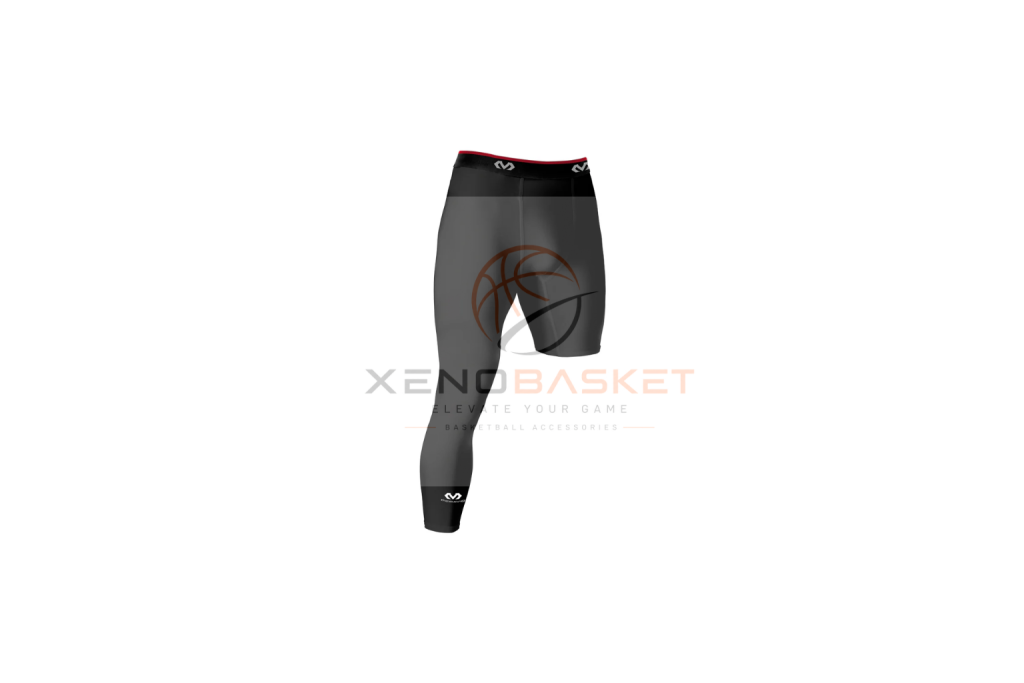
Worn on one leg, these are popular for both performance and style.
Choosing the Right Leg Compression Gear
Selecting the right compression gear involves several factors:
Fit and Size
The gear should fit snugly without restricting movement. Proper sizing ensures optimal benefits.
Material
Look for breathable, moisture-wicking fabrics that maintain elasticity over time.
Coverage
Choose between full-length or partial coverage based on your needs.
Purpose
Decide whether you need compression for performance, recovery, or injury prevention.
Durability
High-quality products last longer and maintain their effectiveness.
Tips for Maximizing Benefits
To get the most out of your compression gear:
- Wear it during both training and games
- Use it during recovery periods
- Wash regularly to maintain hygiene
- Replace when elasticity decreases
- Combine with proper warm-up and stretching
Consistency is key to achieving the best results.
Common Mistakes to Avoid
Avoid these common errors:
- Wearing the wrong size
- Choosing low-quality materials
- Ignoring care instructions
- Relying solely on compression for injury prevention
Compression gear should complement your training, not replace it.
Who Should Use Leg Compression?
Leg compression is suitable for:
- Basketball players at all levels
- Athletes in other sports
- Fitness enthusiasts
- Individuals recovering from minor injuries
It is especially beneficial for players who train frequently or compete at a high level.
The Psychological Advantage
Comfort and confidence play a significant role in performance. When players feel supported, they perform better. Compression gear provides a sense of stability and readiness, allowing athletes to focus entirely on the game.
This mental edge can lead to improved decision-making and better execution under pressure.
Maintenance and Care
Proper care ensures longevity:
- Wash in cold water
- Avoid harsh detergents
- Air dry to maintain elasticity
- Store in a cool, dry place
Taking care of your gear ensures consistent performance.
Final Thoughts
Basketball leg compression gear is more than just apparel—it is a performance tool that supports your body and helps you play at your best. From improving circulation and reducing fatigue to enhancing comfort and accelerating recovery, its benefits are undeniable.
In a sport where every movement matters, having the right gear can make a significant difference. By investing in high-quality leg compression, you are not only boosting your performance but also protecting your body for the long term.
Stay strong, stay supported, and perform at your peak—because powerful legs are the foundation of every great basketball player.
